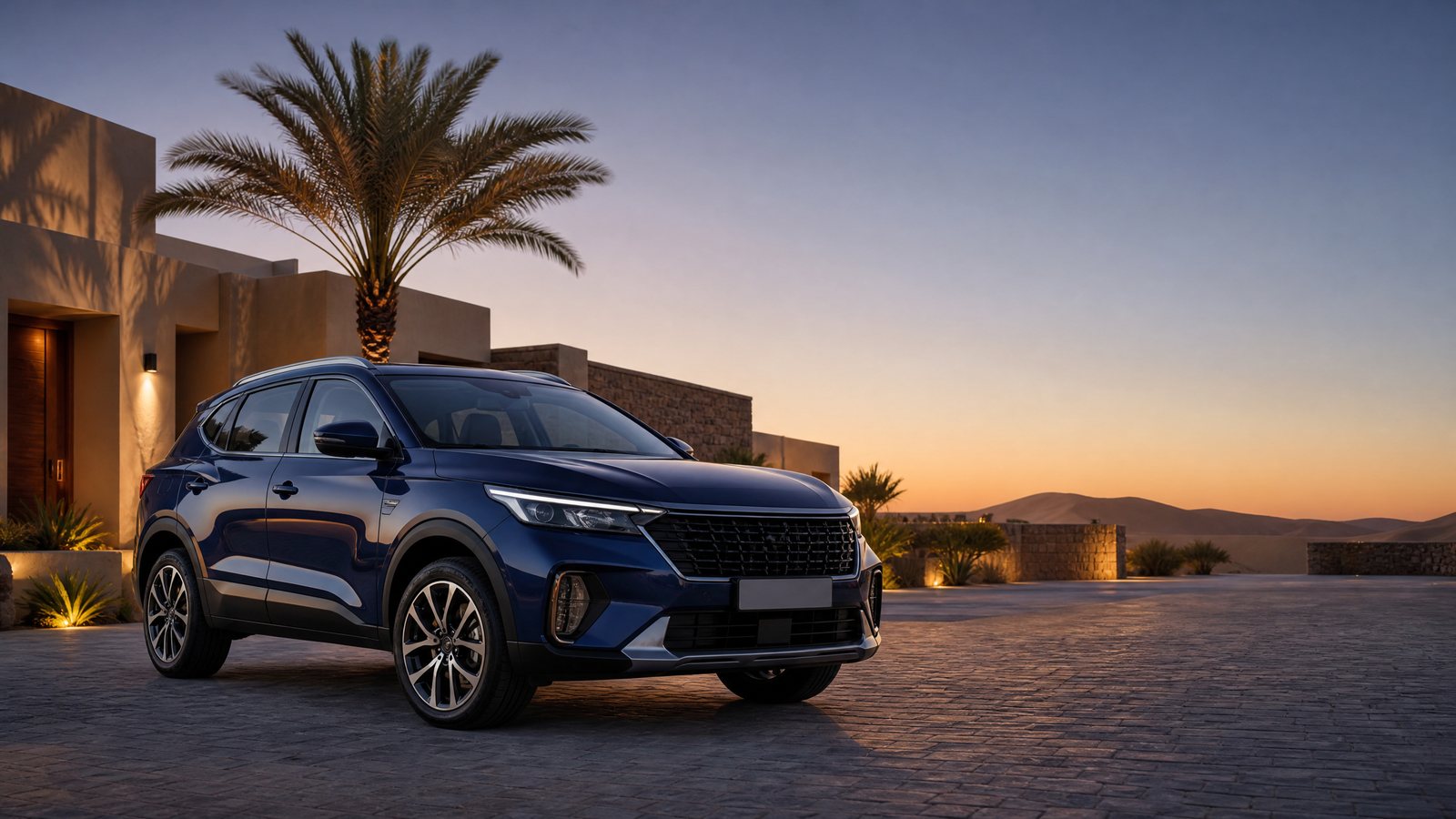
For Dubai car export to Africa, organise the decision around vehicle suitability, export documentation and destination requirements before coordinating transport or shipment.
Selecting Dubai cars for export to Africa requires more than picking a good-looking vehicle. Different African markets demand distinct vehicle types, specifications, and condition standards. As a UAE-based car trading and export business, United Group helps buyers match stock in Dubai to market realities across the continent. This guide walks through the key factors to consider so you can source the right car, truck or van with confidence.
Every African market has its own mix of road conditions, fuel availability, climate and buyer expectations. Coastal cities with smoother highways may favour sedans and compact SUVs, while rural areas and regions with rough roads often prefer sturdy pickups and high-clearance SUVs. Fuel types and costs affect whether diesel, petrol, or increasingly hybrid vehicles are attractive.
Beyond roads and fuel, think about local service networks and spare-part availability: a vehicle with a common engine and widely used components will be easier and cheaper to maintain. Price sensitivity is also market-specific; some markets prioritise low upfront cost, others value long-term durability. Understanding the destination helps you choose vehicles that will resell quickly, retain value, and meet practical needs.
When comparing models in Dubai for export, focus on categories that traditionally perform well across different African markets:
Compare models by reliability reputation, ease of sourcing replacement parts, and local familiarity. Before committing, check whether the vehicle’s dimensions, load capacity and drivetrain align with typical local uses.
Condition is a pivotal factor when exporting used vehicles from Dubai. Key points to assess:
United Group recommends prioritising documented maintenance history and transparent inspection reports when buying export vehicles in Dubai.
Do targeted research for the country you plan to export to. Market tastes, vehicle age limits, import restrictions, and registration procedures vary widely. For example, some markets favour certain brands or model years; others have restrictions on vehicle age or require specific emissions equipment. Always verify current rules and fees with the relevant official authority in the destination country before purchase, shipment, or registration.
If you’re focusing on a particular market, read country guides and buyer resources to understand demand trends and compliance considerations. For market-specific reading, see our country articles and local insights.
Read about market considerations in Kenya
Before shipment, confirm the following practical items to avoid delays and extra cost:
For exporters targeting southern African markets, consider specific operational details such as local registration norms and popular vehicle specifications.
Learn more about southern African market factors
Note: United Group provides guidance but buyers must verify all customs, import and registration requirements with official authorities in the destination country prior to purchase or shipping.
Q: What documents are typically needed to export a car from Dubai? A: Typical documents include the original vehicle title/registration, commercial invoice, bill of sale, and export certificate. Required paperwork varies by destination—verify current requirements with the destination’s official authorities before finalising any purchase.
Q: Should I prioritise low mileage or model age when choosing export cars? A: Both matter, but priorities depend on the market. Some buyers accept higher mileage on robust, well-maintained work vehicles, while others seek younger cars with lower mileage. Always review maintenance history and inspection reports to understand real condition.
Q: How important is matching right-hand vs left-hand drive for African markets? A: Very important. Many countries require vehicles to conform to their traffic system. Check destination regulations and market preferences before buying to avoid complications during registration.
Explore Dubai export inventory for your destination market.
Explore Dubai export inventory for your destination market.
Document requirements differ by route, so confirm the vehicle ownership paperwork, export process and destination import requirements before proceeding.
The suitable option depends on the destination, vehicle and delivery requirements. Start with the vehicle and destination details relevant to your case. You can browse relevant vehicles.