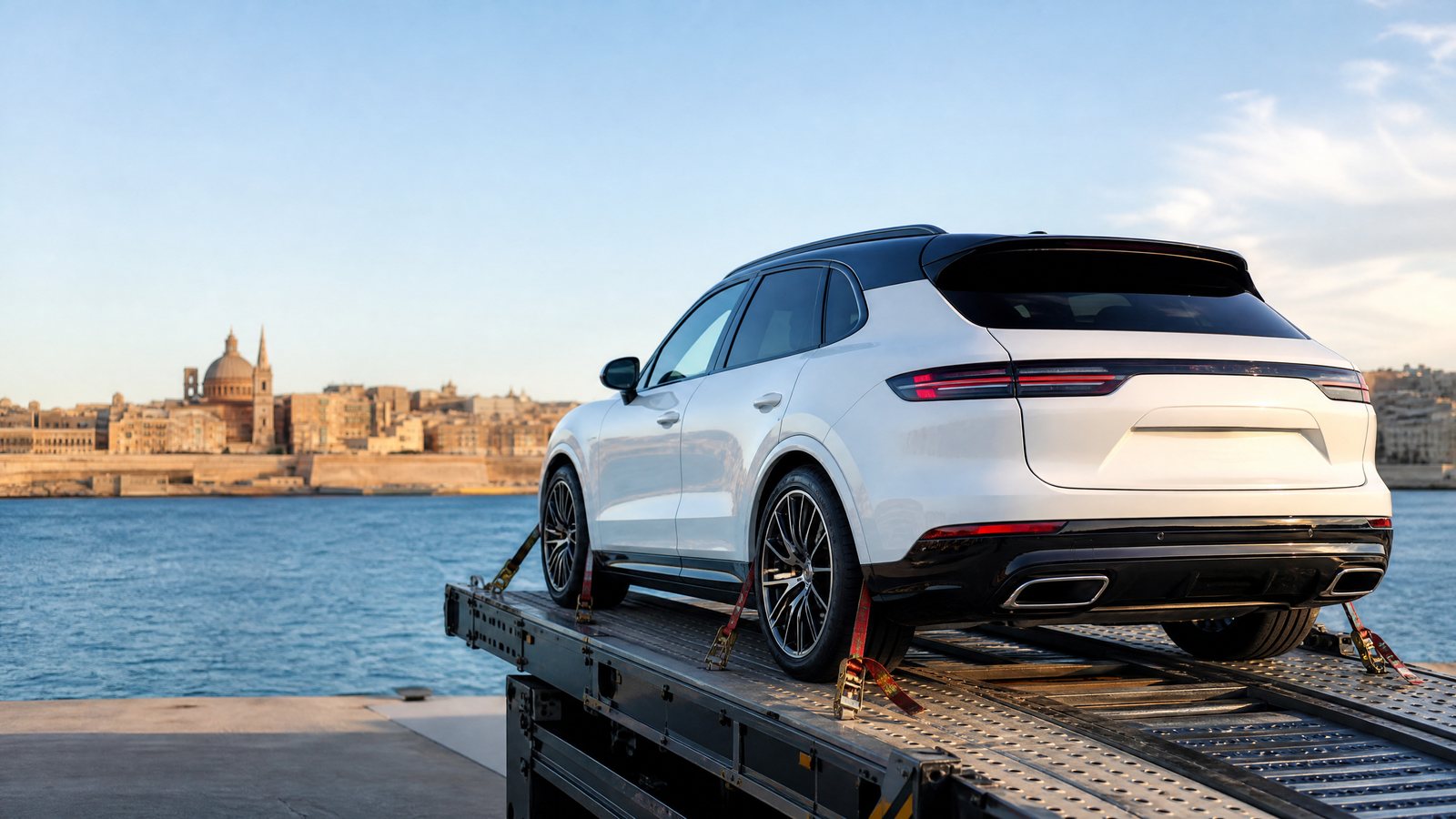
Import Car from Dubai to France: Buyer Checklist
Quick answer
When evaluating importing a car from Dubai to France, start with the real use case, then compare the relevant specifications, comfort, efficiency and ownership considerations before making a decision.
Bringing a vehicle from the UAE to France can be an attractive option for buyers seeking specific models or conditions. Before you commit to any purchase, use this checklist to confirm the vehicle is suitable, documents are complete, and delivery timing aligns with your needs. United Group is a UAE-based car trading and export business; we recommend verifying all legal, customs and registration requirements with the relevant French and UAE authorities before purchase, shipment, or registration.
Import research questions
Before you proceed, answer these high-level research questions:
- Is the exact vehicle model and year commonly registered in France or other EU markets? Some vehicles require modifications for local compliance.
- Will the vehicle’s emissions and safety features meet standards applied in France? Confirm whether adjustments or testing will be needed.
- Who will handle customs clearance, temporary transit, and local registration in France? Decide whether you will engage a customs broker or use a dealer service.
- What are realistic lead times from purchase to delivery at a French port or final destination? Prepare for variable transit times and handling windows.
Use United Group to request detailed information on inventory and logistics options early in negotiations. Available Cars
Vehicle selection
Choosing the right vehicle in Dubai means balancing condition, provenance, and future cost of compliance.
- Confirm vehicle identity: verify the VIN, registration history, and odometer records. Ask for a full service history and any accident reports.
- Prioritize models with clear service records and verifiable ownership to reduce the risk of hidden issues.
- Check build specifications: steering, lighting, emissions controls and other region-specific equipment can affect registration ease in France. If the vehicle was originally built for right-hand traffic markets or different emission cycles, factor in potential conversion needs.
- Consider resale and parts availability in France; models that are common in Europe typically simplify maintenance and valuation.
When you find a candidate, ask United Group for factory details and export-ready options. Europe import hub
Proof of condition
Evidence of the car’s physical and mechanical condition is crucial for a confident purchase.
- Request recent, high-resolution photos of the full exterior, interior, engine bay, and odometer. Video walkarounds are especially helpful.
- Obtain an independent inspection or a certified condition report when possible. Inspections should note corrosion, frame damage, serviceable wear items, and any nonstandard modifications.
- Ask for maintenance records and parts-replacement receipts. Verify major repairs were done to recognized standards.
- For higher-value purchases, consider a pre-shipment mechanical check and a clear statement of whether the car will be shipped “as-is” or after any agreed repairs.
United Group can share vehicle details and discuss your purchasing or export requirements.
Documentation
Accurate documents travel with the car and ease clearance at ports and registration offices.
- Typical documents you should request: the original title/registration, commercial invoice, bill of sale, proof of ownership transfer, and any export or customs declarations issued in the UAE.
- Make sure the seller can provide verifiable identity and authority to export the vehicle.
- If you’re importing through a business or broker, confirm who will receive and hold original documents during transit. Originals are often required for clearance and registration in France.
- Keep digital backups of every document, and verify translation or apostille needs with your chosen customs agent.
Always confirm the precise document list and formats required with official French customs and vehicle registration authorities before shipment. United Group can help gather standard export paperwork; verify current requirements independently.
Delivery planning
Shipping and delivery logistics determine lead time and cost-risk exposure.
- Choose a shipping method (container, RoRo, or multi-modal) that suits the vehicle’s value, protection needs, and budget. Each option has different handling and insurance implications.
- Verify who will arrange marine insurance and whether additional coverage is needed during inland transit in France.
- Plan port selection and onward transport: decide whether the car will be cleared at a major French port or forwarded to a specific region with a local carrier.
- Schedule around expected availability windows and allow buffer time for customs processing, inspections, or any required vehicle adjustments on arrival.
Coordinate with United Group and your local agent for a clear timeline and responsibilities for pickup and customs clearance in France. Contact Us
FAQ
Q: What should I check about emissions and safety before importing? A: Confirm whether the vehicle’s emissions and safety features match the standards commonly applied in France and the EU. If not, expect potential adjustments or testing. Always verify current technical requirements with the French registration authority before purchase.
Q: Can I rely on seller photos and descriptions alone? A: No. Photos and descriptions are useful, but an independent inspection or certified condition report provides much stronger evidence of the car’s true condition and reduces risk.
Q: Who handles customs clearance in France? A: Customs clearance can be handled by you, a customs broker, or a professional importer. Decide early who manages paperwork and payment of any applicable duties or fees, and confirm what originals are required at arrival.
Request full vehicle details before your export purchase.
Request full vehicle details before your export purchase.
Quick guide to importing a car from Dubai to France
How can buyers assess importing a car from Dubai to France practically?
Define the daily, family, business or travel requirements first, then compare the factors that matter to that use instead of relying on one feature alone.
What is a useful next step after comparison?
Review the relevant vehicles or support options, then share your requirements to discuss the next step for your situation. You can review export and shipping support.