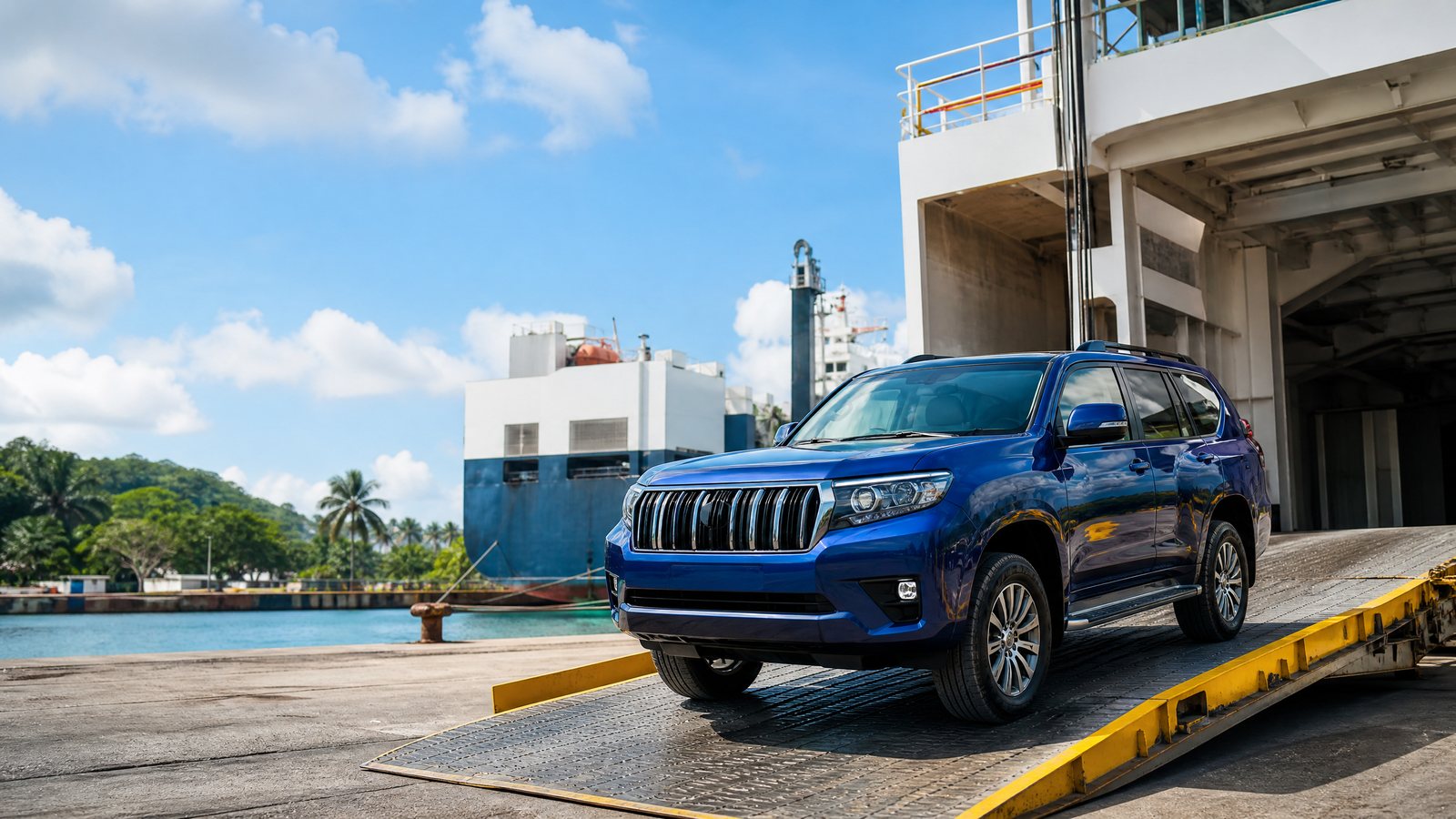
For import car from Dubai to South Africa, first confirm whether the proposed vehicle can be registered at the destination, then review the relevant specification, documentation and shipping requirements before committing to purchase.
Importing a car from Dubai to South Africa can be an efficient way to access desirable models and competitive market choices. To make the process smooth and avoid costly delays, approach the purchase with a clear, step-by-step buyer planning checklist. United Group, a UAE-based car trading and export business, recommends focusing first on destination requirements, then on vehicle selection, inspection records, documentation, and shipment arrangements.
Before you commit to any purchase, research the South African destination requirements that will affect which vehicles are practical to import. Consider how the vehicle’s specifications, compliance with local standards, and compatibility with available servicing and spare parts will influence resale and long-term ownership.
Taking time on destination research narrows your options to vehicles that are genuinely suitable for South African roads and resale markets.
Selecting the right vehicle in Dubai requires both market knowledge and practical checks.
When browsing inventory, it helps to use a trusted supplier and to view detailed photos and service histories. If you want to review current stock or options, start here: Available Cars
A thorough export car inspection is essential before purchase. Documentation and evidence of a vehicle’s condition protect you against undisclosed damage and misrepresentation.
Documented inspection findings form the foundation of any warranty, dispute resolution, or insurance process that may follow.
Clear, complete paperwork streamlines export and import. Typical document categories include proof of ownership and transfer, export clearance, and shipping paperwork — but specifics vary by situation and country.
Keep a central file with scanned copies of every document — this speeds up customs processing and helps resolve queries.
Shipping choices affect cost, transit risk, and handling. Two common options are roll-on/roll-off (RoRo) and container shipping; each has pros and cons depending on the vehicle and your priorities.
United Group can share vehicle details and discuss your purchasing or export requirements. If you want to read more about UAE-to-Africa exports, see: Dubai cars for export to Africa article
Ask your seller for consistent contact details, and request regular updates from the shipping agent. Plan for contingencies like inspection delays or paperwork queries, and maintain digital and physical copies of all transaction records.
No — many buyers complete purchases remotely through a trusted trading and export business. If purchasing remotely, ensure you have clear written agreements, verified inspection reports, and secure payment arrangements. Always confirm transfer and export procedures with the parties involved.
Request original ownership and de-registration documents, a comprehensive service history, and an independent export car inspection report. Photographs and detailed condition notes should accompany these documents. Verify any export clearance with UAE authorities before shipment.
Common shipment options include RoRo and container shipping. RoRo is typically simpler and cost-effective for standard cars; containers provide extra protection. Risks include transit damage and delays — mitigate these with adequate insurance, thorough pre-shipment inspection, and clear contractual responsibilities.
Explore Available Cars; Dubai cars for export to Africa article; Contact Us
Explore available vehicles and discuss your export requirements.
Confirm destination eligibility for the proposed vehicle and identify the documents required for the specific route before arranging payment or shipment.
Arrange shipping after vehicle suitability and required documentation have been confirmed for the destination and the planned import route. You can review export and shipping support.