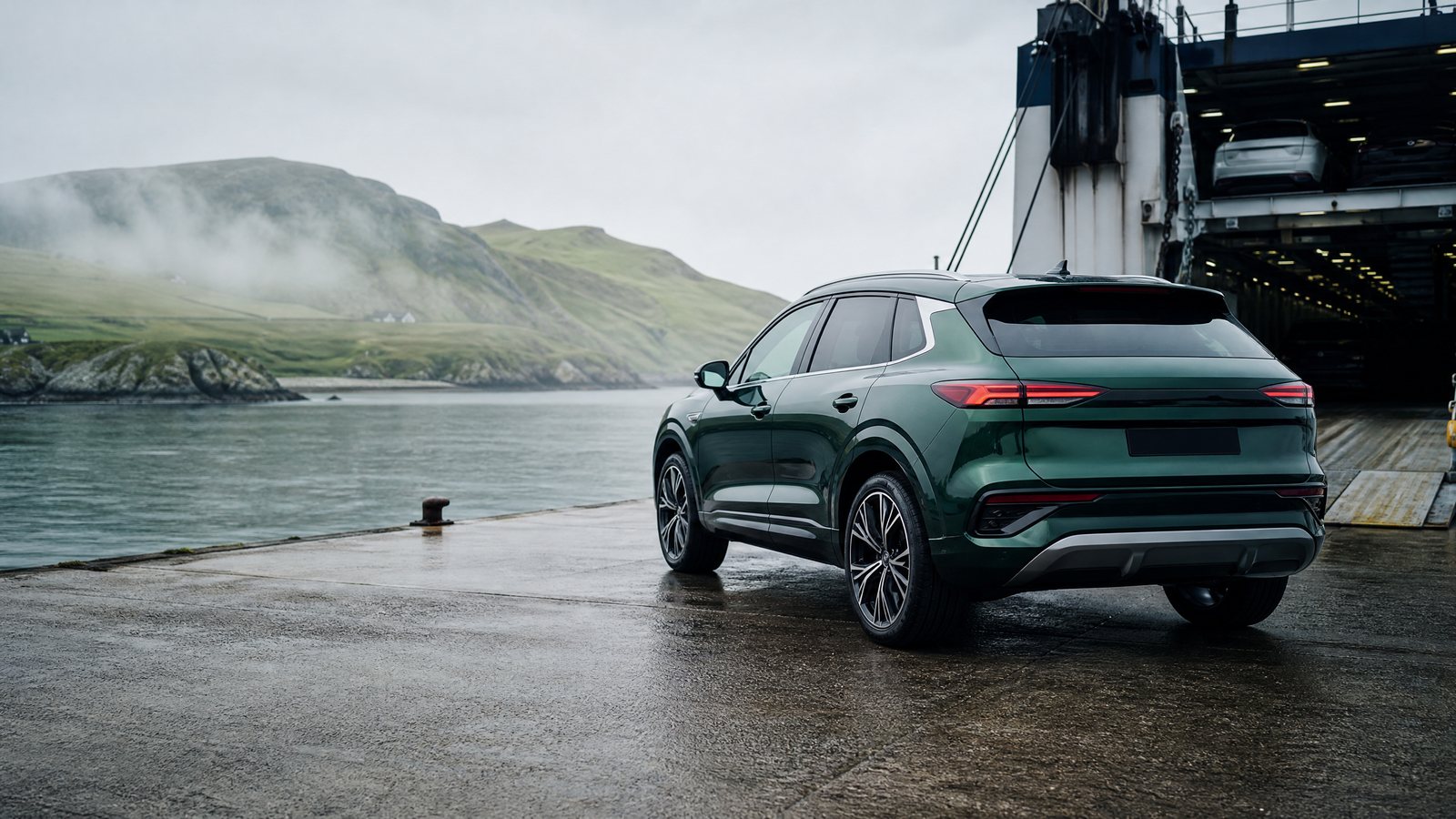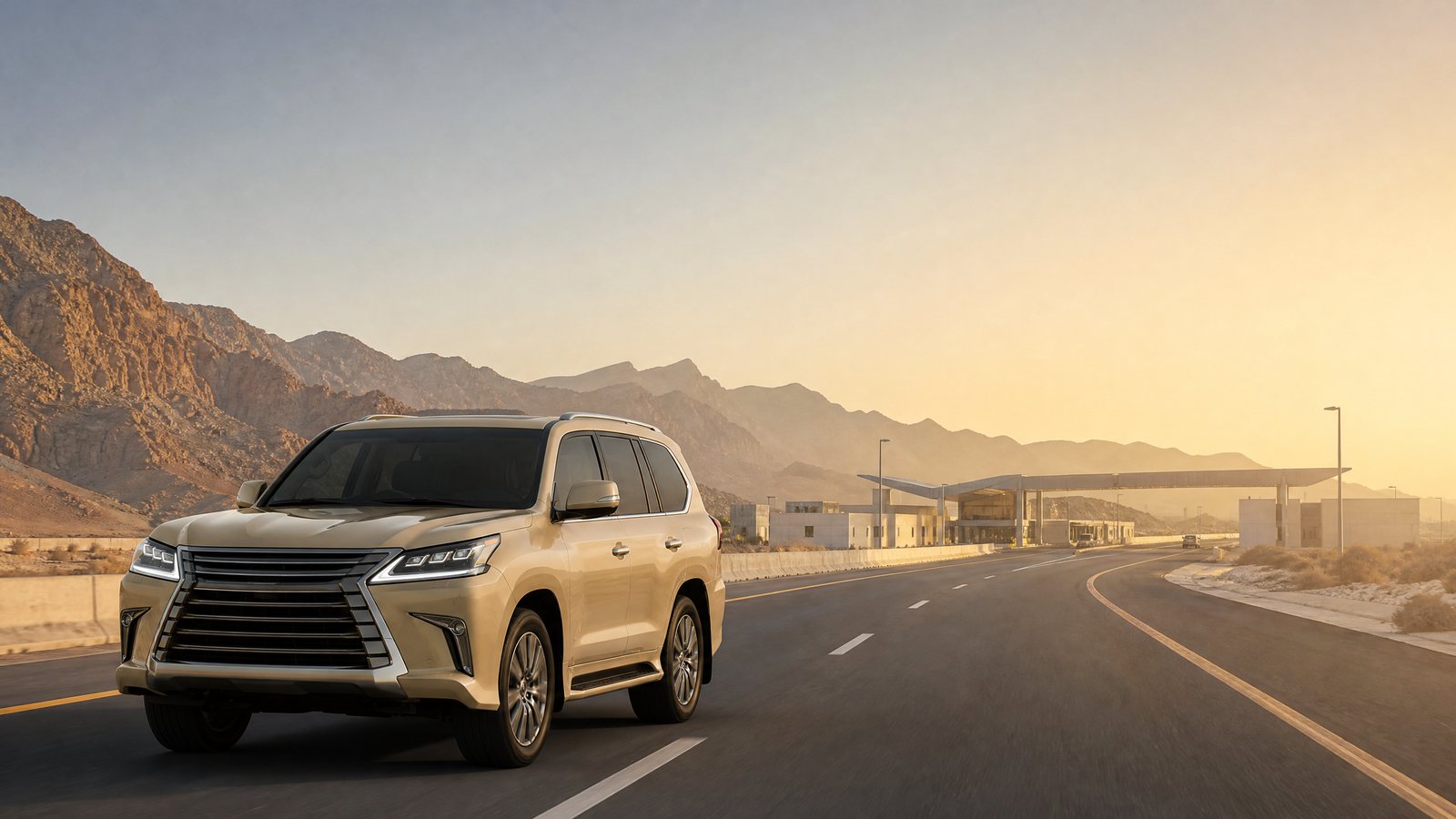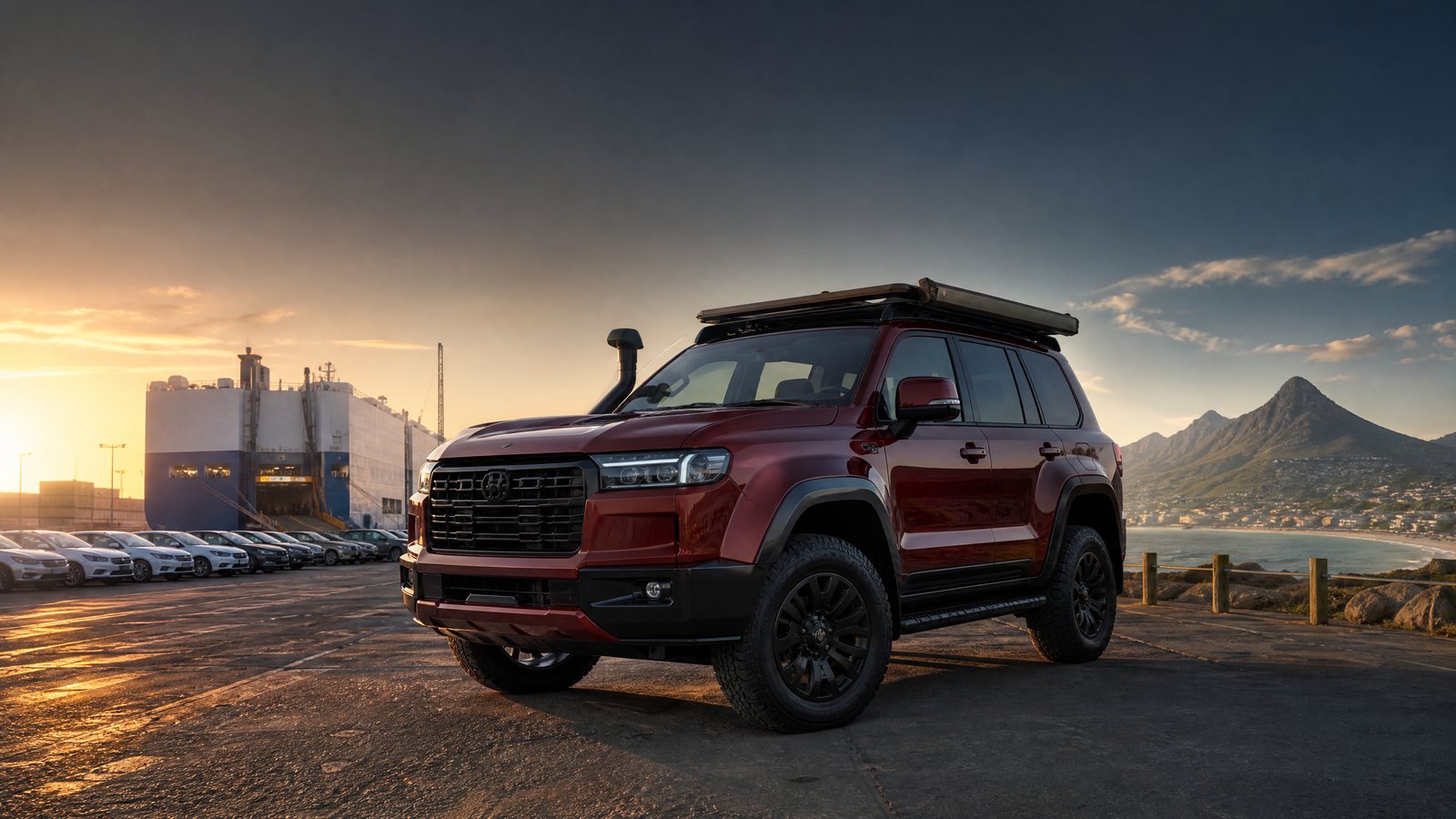
For Import car from Dubai to Switzerland, first confirm whether the proposed vehicle can be registered at the destination, then review the relevant specification, documentation and shipping requirements before committing to purchase.
Buying abroad can deliver excellent vehicle choices, but importing a car from Dubai to Switzerland requires careful verification before shipment. This checklist highlights the practical checks a buyer should perform to reduce surprises on arrival and improve the chances of a smooth customs and registration process. United Group, a UAE-based car trading and export business, can help coordinate many of these steps, but buyers must confirm current rules with Swiss and UAE authorities before committing to purchase or shipment.
Before you negotiate price or book transport, verify that importing the specific vehicle into Switzerland is feasible for your situation. Key eligibility concerns include:
Regulations and required documents change; always verify current requirements with the relevant official authority before purchase, shipment, or registration. If you need help understanding export options, speak with a specialist at United Group. Car Export from Dubai
Physical and technical compatibility is a common cause of delay. Before shipment, confirm that the car’s specifications match both what you expect and what Swiss authorities typically accept:
Ask targeted vehicle compliance questions early to avoid last-minute retrofits. Request detailed photos and full specification sheets from the seller and, where possible, arrange an independent inspection in Dubai. If you are browsing stock or options, start with a vetted list: Available Cars.
Documentation readiness often determines how smoothly a vehicle passes through customs and registration. Typical documents buyers should verify include:
Do not assume a document set is complete—ask the seller and the freight forwarder for a checklist and confirm what the Swiss cantonal authority requires for registration. United Group can assist by collecting and preparing common export documents for shipment.
Choose a transport approach that fits your priorities, and plan for logistical contingencies:
Discuss transit timelines and responsibilities with your United Group contact to align expectations on pickup, handover, and arrival procedures. Contact Us
When the car reaches Switzerland, perform a systematic verification before or during customs release:
After arrival, consult the relevant cantonal registration office for final technical inspection requirements. Remember to verify current administrative and technical requirements with the relevant official authority before attempting registration.
Q: Can I import any car from Dubai to Switzerland? A: Not every vehicle will be admissible or straightforward to register. Admissibility depends on vehicle type, condition, and compliance with local technical and administrative expectations. Always check with the relevant Swiss authority and a customs broker before buying.
Q: How long should I expect the import process to take? A: Transit times depend on the chosen shipping method, carrier schedules, and customs processing. Delays can occur during inspections or if documentation is incomplete. Plan for flexibility and confirm timelines with your exporter and freight forwarder.
Q: Who handles paperwork for customs and registration? A: Import clearance and registration are typically managed by customs brokers, freight forwarders, and the buyer (or their representative). United Group can share vehicle details and discuss your purchasing or export requirements.
Request vehicle details before planning your export purchase.
Request vehicle details before planning your export purchase.
Confirm destination eligibility for the proposed vehicle and identify the documents required for the specific route before arranging payment or shipment.
Arrange shipping after vehicle suitability and required documentation have been confirmed for the destination and the planned import route. You can review export and shipping support.