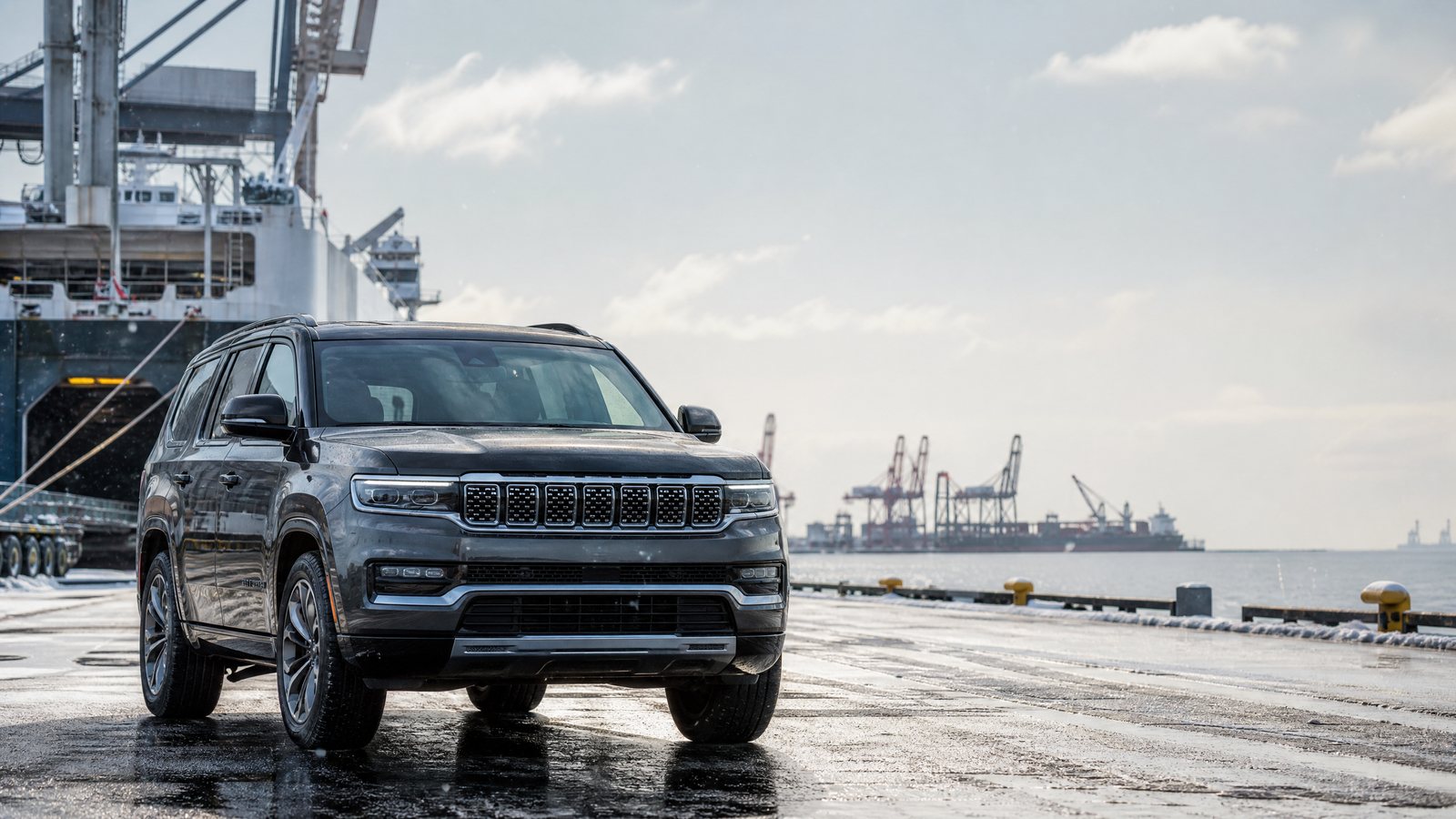
For Import car from Dubai to UK, first confirm whether the proposed vehicle can be registered at the destination, then review the relevant specification, documentation and shipping requirements before committing to purchase.
Importing a car from Dubai to the UK can open access to models, specifications, or trim levels that are harder to find locally. For buyers focused on compliance, the process is primarily about verifying that the vehicle meets UK standards and that the paperwork and logistics are correctly handled. This guide from United Group — a UAE-based car trading and export business — highlights the practical questions you should ask before committing to a purchase and shipment. Always verify current requirements with the relevant official authority before purchase, shipment, or registration.
Start with research on how the vehicle will be handled once it reaches the UK. Key questions include:
This early research helps you estimate time, potential additional costs, and the sequence of steps needed to register the vehicle in the UK. If you want to see current stock or compare models that often appear in Dubai listings, check inventory before committing. Available Cars
Vehicles exported from the UAE may differ in specification from UK-market versions. Ask these specification-focused questions:
Request clear photographs and documentation showing the vehicle identification number (VIN), build plate, and odometer reading to cross-check specifications before shipment.
A transparent history and condition assessment protect buyers from unexpected issues. Key questions:
Where possible, arrange an independent inspection in Dubai or request a virtual walkaround and a thorough photo set. Confirm mileage verification and ask how disputes over condition are handled.
Proper documentation is fundamental to smooth import and registration. While requirements vary and must be confirmed with authorities, typical documents to request and verify include:
United Group recommends securing original documents and copies before shipment. Confirm with UK customs and the registration authority which originals will be required for clearance and registration, and verify whether certified translations are necessary.
Plan the steps that follow arrival in the UK to avoid unexpected delays:
If you need help coordinating logistics or understanding import pathways into Europe for onward distribution, United Group can share vehicle details and discuss your purchasing or export requirements. Europe import hub
Q: Do I need special paperwork to import a Dubai-registered car to the UK? A: You will need export and ownership documents from the seller plus any forms required by UK customs and the registration authority. Document requirements change, so verify current expectations with the relevant official body before proceeding.
Q: Will a UAE-spec car fail registration in the UK? A: Some UAE-spec features may require modification to meet UK inspection standards. That doesn’t automatically prevent registration, but you should confirm what adaptations may be required and budget time for them.
Q: Can United Group assist with the shipping and customs clearance process? A: United Group can advise on shipment options and typical logistics steps; however, you should confirm exact customs clearance responsibilities and regulatory obligations with a licensed customs agent or the official authority. If you want to discuss the next steps or confirm documentation, reach out directly. Contact Us
Discuss vehicle options for your UK import research.
Discuss vehicle options for your UK import research.
Confirm destination eligibility for the proposed vehicle and identify the documents required for the specific route before arranging payment or shipment.
Arrange shipping after vehicle suitability and required documentation have been confirmed for the destination and the planned import route. You can review export and shipping support.