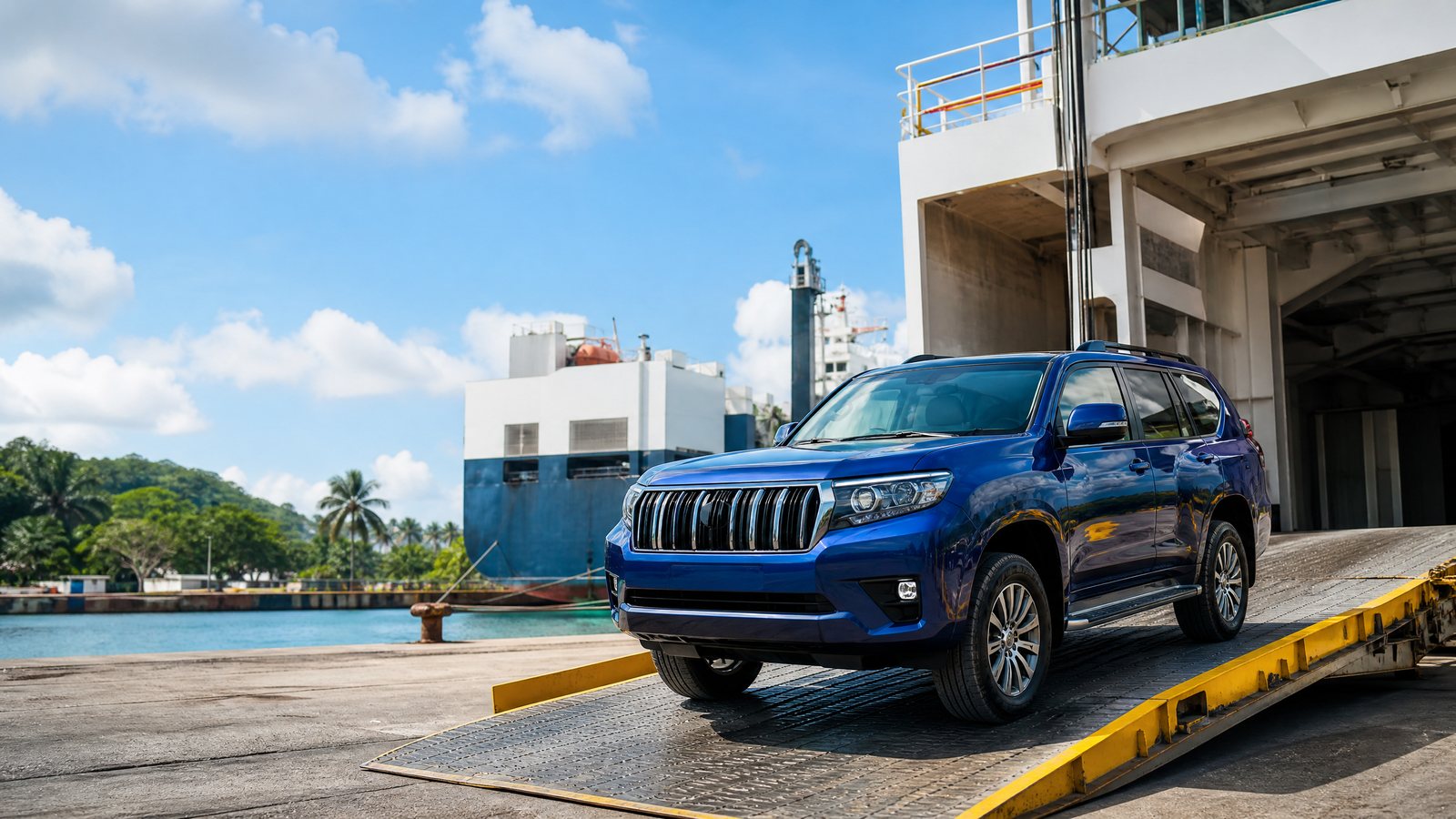
For import car from Oman to UAE, first confirm whether the proposed vehicle can be registered at the destination, then review the relevant specification, documentation and shipping requirements before committing to purchase.
Bringing a vehicle across the border can be attractive for buyers seeking specific makes, models, or conditions. This guide helps prospective purchasers research and prepare before they import car from Oman to UAE. It focuses on practical checks, documentation awareness, and questions to ask professionals so you can make an informed decision and reduce avoidable delays.
Before you commit time or funds, confirm whether the vehicle and the buyer meet basic eligibility for transfer between Oman and the UAE. Eligibility considerations typically include residency or ownership status, the vehicle’s age and type, and whether the vehicle is eligible for registration in the UAE market.
These are preliminary checks: always verify current eligibility rules and steps with the appropriate UAE and Omani authorities before purchase or shipment.
A clear title and an honest assessment of condition are the backbone of a good cross-border purchase.
Document everything you observe and, if possible, take timestamped photos and videos of the vehicle and its documentation.
Before finalizing any purchase, confirm the UAE-specific requirements that will affect registration and use once the vehicle arrives.
Because immigration, customs, and registration rules change, you must verify current requirements with the relevant official authorities in the UAE before purchase, shipment, or registration.
A complete and verified document set reduces the risk of delays. Ask for originals and certified copies where appropriate:
Keep copies of all communications and receipts. If documents are in Arabic or another language, you may need certified translations for UAE authorities — check requirements in advance.
When speaking to brokers, inspectors, or shipping agents, use targeted questions to reveal potential complications:
Document answers and compare multiple providers if possible. United Group, as a UAE-based car trading and export business, can advise on market compatibility and local processes. See available vehicles and styles
Q: How long does it typically take to import a car from Oman to the UAE? A: Timing varies based on inspection schedules, document completeness, and any customs processing. Expect variability and build flexibility into your plans; always confirm current timelines with shipping and customs professionals.
Q: What if the seller in Oman cannot provide full service records? A: Missing service records increase uncertainty about vehicle condition. Consider independent inspection and factor potential wear or hidden issues into your offer or ask for price adjustments or warranties, where possible.
Q: Will modifications made in Oman affect UAE registration? A: Certain modifications can affect registration or insurance acceptance. Confirm the nature of any modifications with UAE registration authorities or a qualified agent before purchase.
Explore Available Cars; Contact Us
Explore Available Cars; Contact Us
Speak with United Group about UAE-market vehicle availability and your buying requirements.
Confirm destination eligibility for the proposed vehicle and identify the documents required for the specific route before arranging payment or shipment.
Arrange shipping after vehicle suitability and required documentation have been confirmed for the destination and the planned import route. You can browse relevant vehicles.